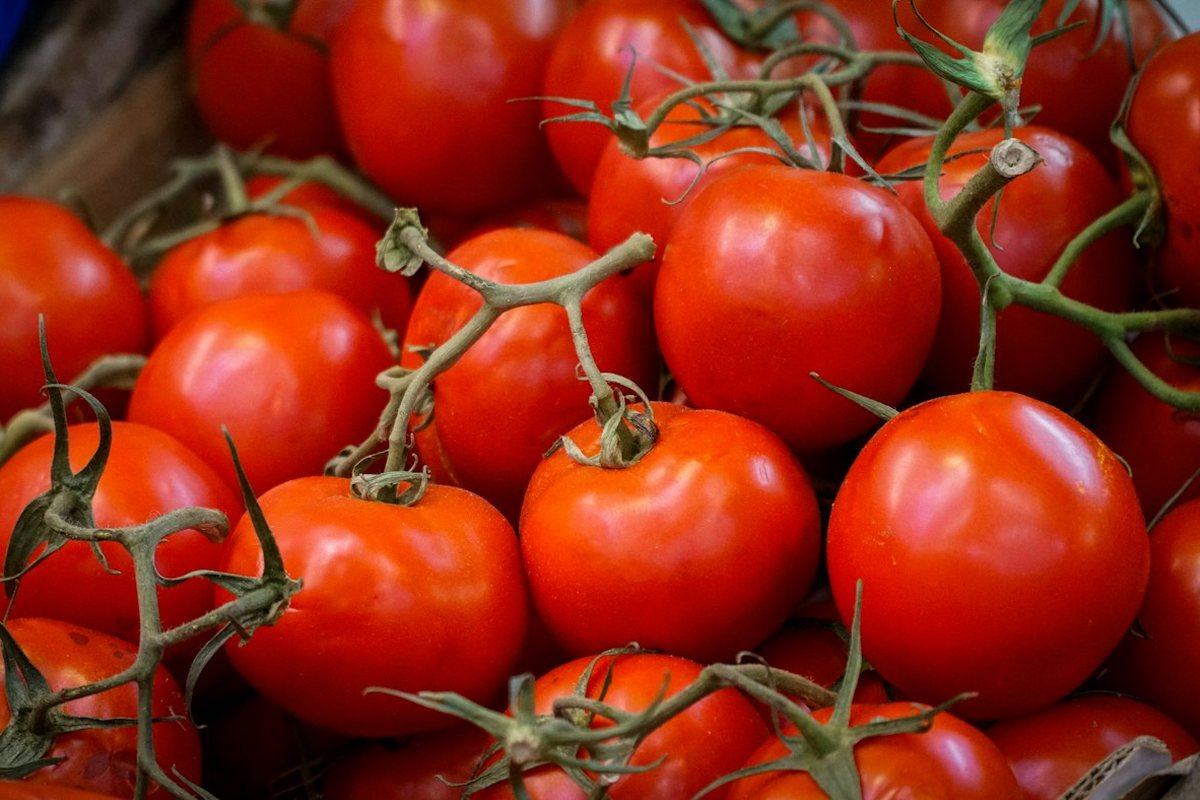
In March, Philip planted six tomato seedlings because two might fail and another two might disappoint him. By August, none had failed, and all six appeared determined to justify his worst calculations. Every windowsill held ripening fruit. His wife had begun greeting him with, “Please don't say tomatoes.”
He made sauce, froze sauce, and discovered the freezer had limits. He left a bowl by the front gate with a handwritten sign. The first day, two tomatoes disappeared. The second day, someone took the bowl as well.
Philip replaced it with a cardboard box and a more specific sign. Help yourself to tomatoes. Please leave the box. His wife said the addition sounded unfriendly. Philip said clarity was not hostility, a distinction he occasionally used to defend an unfriendly tone.
On Thursday, a woman from three doors down stopped while he was watering. She thanked him and asked which variety he grew. Her name was Elena. He had nodded to her for four years without knowing it. She described a salad her father used to make with tomatoes, bread, and plenty of oil.
The following evening, a small container appeared on the doorstep with the salad and a note. Philip ate it standing at the kitchen counter. The bread had absorbed the juice. He called his wife over and said she needed to try something. She looked suspicious until he handed her a fork.
Other exchanges followed. A neighbor brought apples. Another left a recipe written on the back of an envelope. A child drew a picture of a tomato with legs and posted it through the letterbox. Philip put the drawing on the fridge, where it remained long after the last fruit had ripened.
He had joined neighborhood groups before, usually to discuss parking or noise. This was different. People were meeting around something available, not something wrong. The conversations wandered because they did not need to reach a resolution. Names attached themselves to houses.
At the church harvest service, Philip found himself paying attention to the table of produce with less nostalgia and more recognition. He had always liked the tradition. This year he understood the inconvenience of abundance: it needed picking, carrying, preserving, and sharing before it became waste. Giving thanks could involve practical work with a sticky knife.
Not every neighbor liked tomatoes. One man said they gave him indigestion. Philip asked whether he wanted some herbs instead. The exchange was useful because it prevented generosity from becoming a demand that other people receive exactly what Philip wanted to give.
In October, he pulled up the spent plants. The garden looked surprisingly empty. Elena stopped to ask whether he would plant again. He said yes, but fewer seedlings. His wife, overhearing through the open window, called out that she wanted this promise witnessed.
The following spring, he planted four. It was a compromise rather than a conversion. Beside the seedlings, he added a row of basil because Elena had suggested it and because he now had someone to ask about the salad.
When the first tomatoes ripened, he carried a few down the street. He no longer needed to introduce himself at the door. That seemed a good return on a mistake made with six small plants.