The card said butter, sugar, eggs, flour. It did not say how much baking powder, how hot the oven should be, or how long anything needed to stay in it. At the bottom, in her mother's handwriting, were the words until it looks right.
“Very helpful, Mum,” Alice said to the empty kitchen.
She had found the card while sorting a box of papers. Her mother had died several years earlier, and most of the sorting was finished. This box had survived because it contained things too small to classify: shopping lists, warranties for appliances no longer owned, a school photograph with the date written incorrectly on the back.
The recipe was for the cake her mother made when people came unexpectedly. Alice remembered it as effortless, always appearing warm with a crack along the top. She had not considered that somebody still had to soften butter, wash a bowl, and decide whether there were enough eggs.
She called her aunt, who supplied the missing instructions with confidence until asked about the baking powder.
“A spoonful.”
“What sort of spoon?”
“The usual one.”
They laughed. Between memory and an ordinary baking reference Alice already owned, she worked out a sensible version. The batter looked too thick. She resisted adding more milk because she had already asked three people for advice and needed to stop conducting a committee meeting over a cake.
While it baked, she looked at the card. There was a grease mark near the corner and a number on the back she recognized as an old telephone number. Her mother's handwriting sloped more sharply than she remembered. The marks made the recipe feel less like an heirloom and more like evidence of an actual afternoon: a ringing phone, flour on a hand, someone writing quickly before forgetting.
Alice had spent years missing the big things. Advice. Birthdays. The possibility of calling with good news. Lately, it was the small practical knowledge that caught her: how her mother folded a cloth, the noise she made when looking for something, the confidence with which she judged a cake through an oven door.
She did not believe gratitude required being finished with grief. Giving thanks for her mother sometimes made her miss her more. The two feelings were tangled, and perhaps did not need to be pulled apart. In prayer, Alice could say both: thank you for her, and I wish she were here.
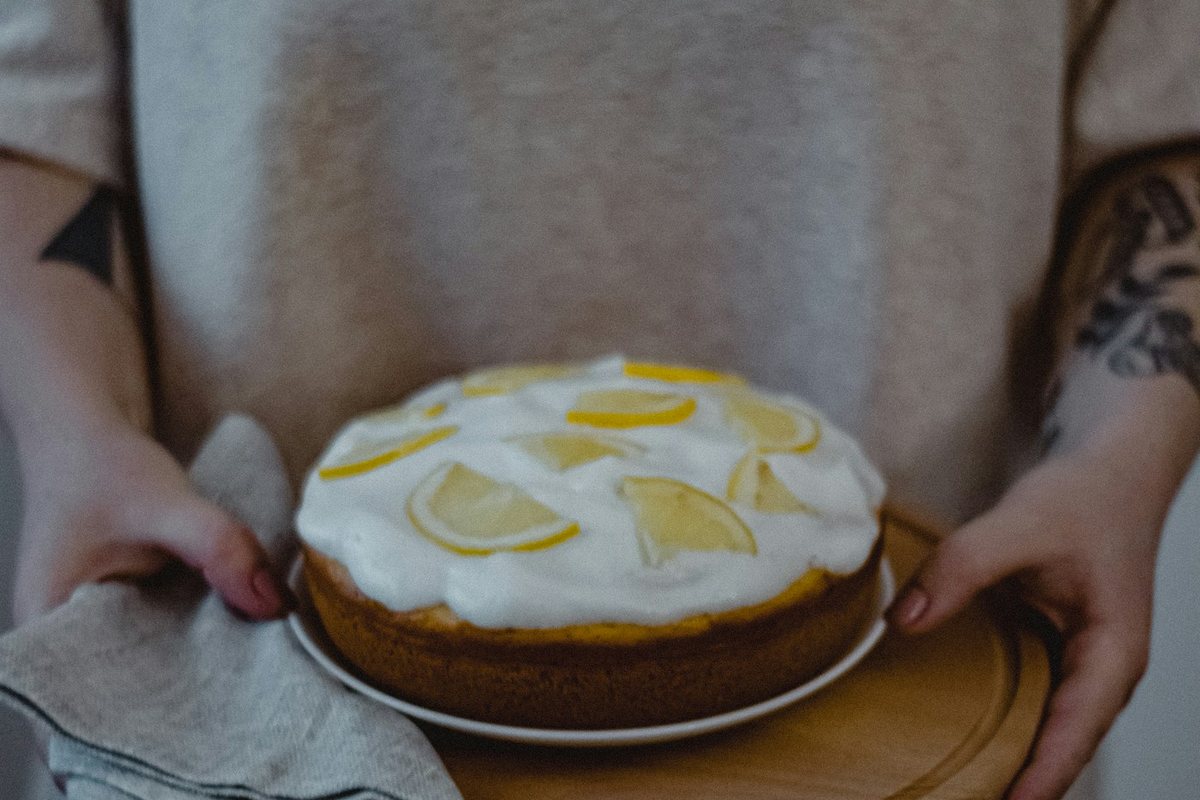
The cake emerged a little darker at one edge. The top had cracked. Alice let it cool for less time than recommended and cut a slice that fell apart on the plate. It tasted close enough to surprise her and different enough to belong to this kitchen.
Her neighbor came by to return a dish. Alice invited her in and served the imperfect slices with tea. They talked about a leaking tap and a forthcoming visit from the neighbor's daughter. The cake disappeared in the ordinary way cakes should.
That evening, Alice copied the recipe for her niece, adding the measurements she had worked out. At the bottom she kept her mother's instruction, with a small note explaining what right looked like. Then she tucked the original back into a protective sleeve, stain and all, ready to be used again.