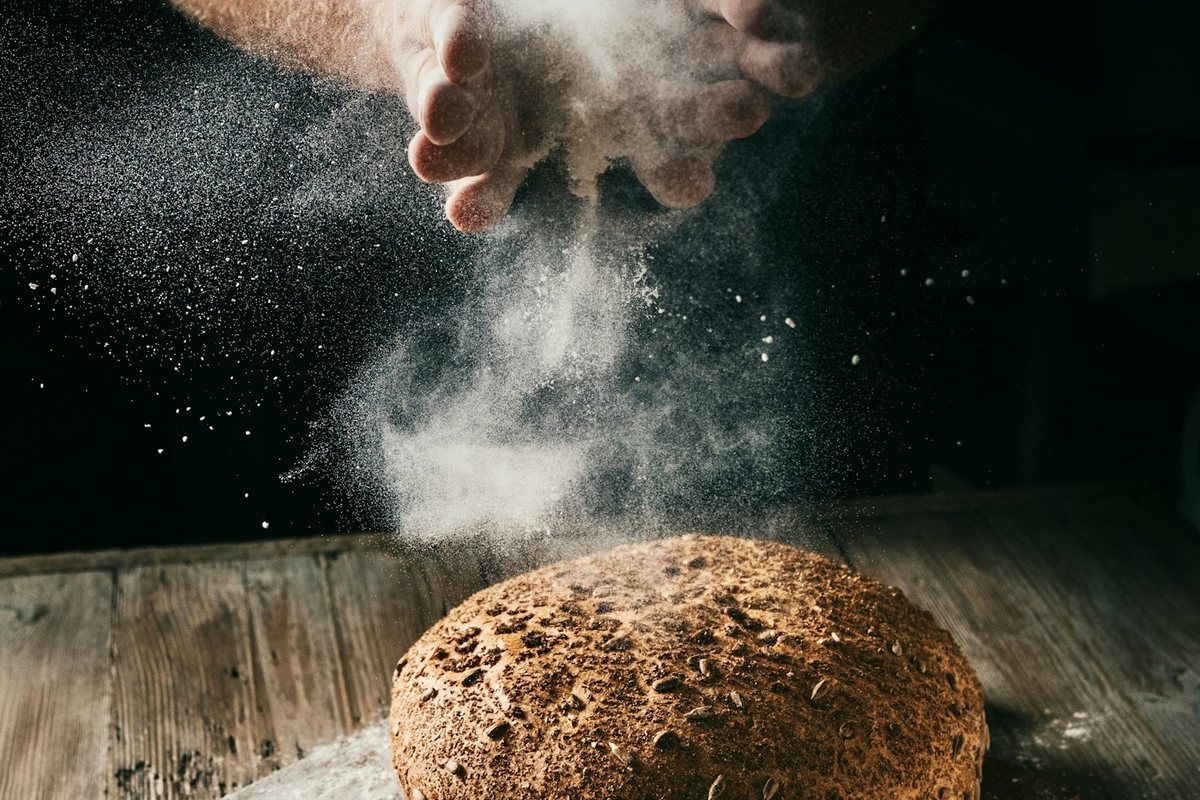
The recipe said the dough would double in size. At noon it looked exactly as it had at ten, only more disappointed. Elise pressed a finger into it and watched the dent remain. She read the yeast packet again. The date explained a great deal.
She had planned the morning carefully. Fresh bread, vegetable soup, a table by the window. Her sister was coming with the children, and Elise wanted the visit to feel generous. Since moving into the small flat, she had become sensitive to everything it lacked: a garden, a proper spare room, a dishwasher that wasn't her own two hands.
By twelve fifteen, there was flour in the seam of her phone case and on the black trousers she should not have worn. The soup was too thick. Rain tapped at the window. A message from her sister said they were running late because one child had hidden the other's shoes.
Elise nearly typed, Let's do another day. Instead she put the dough in the oven. It might not become bread, but at least it would stop looking at her.
The children arrived hungry and damp. Ben carried a stick he had been told to leave outside. His younger sister, Rosie, announced that she did not like soup. Their mother looked so tired that Elise quietly abandoned her plan to apologize for the flat.
“Tea?” she asked.
“Please. In the largest thing you own.”
The loaf emerged as a dense, uneven oval. Ben tapped it with a spoon. “Is it supposed to sound like that?” he asked. Elise laughed before she could stop herself. She cut it into thin slices, brushed them with oil, and put them back under the grill. Her sister grated cheese. Rosie was given the serious responsibility of putting spoons on the table.
They ate the soup with their accidental crackers. Ben asked for more. Rosie discovered she liked soup if it was called dipping sauce. Rain blurred the buildings opposite, and for a while nobody needed to go anywhere. Elise's sister took off her watch and left it beside her cup.
At church the previous week, someone had spoken about giving thanks in all circumstances. Elise had disliked the phrase that morning. She had heard it as an instruction to be cheerful about things she wanted to change. Yet she did want a larger home. Her sister did need more rest. The wet coats would take all evening to dry. Gratitude did not make any of those facts untrue.
After lunch, the children built a fort from two chairs and a blanket. There wasn't quite enough room to walk around it, so the adults stayed at the table. Her sister told her about a difficult meeting at school. Elise listened instead of clearing the dishes. When the story ended, the kettle was still warm enough for another pot.
“I needed this,” her sister said.
Elise looked at the crumbs, the crooked fort, the rain-dark sleeves hanging over the radiator. She had spent the morning trying to create an occasion worthy of gratitude. Meanwhile, the afternoon had arrived with people in it.
Before leaving, Ben asked if he could take some of the “special toast” home. Elise wrapped the remaining pieces in a clean paper bag. She didn't explain what they were meant to have been.
The kitchen took forty minutes to put right. There was no spiritual revelation waiting under the washing-up. There were simply bowls to stack and a sticky patch to wipe from the floor. But she found herself humming as she worked, and when she made the shopping list, she wrote fresh yeast underneath tea.
Next time she would check the packet. She would still invite them if the bread failed.