The weather forecast had used the word showers. By ten, rain was striking the windows with an intensity that suggested a more committed arrangement. The picnic bag sat by the door. Inside were sandwiches, a blanket, and tickets to an outdoor event that would not be nearly as charming under a waterproof hood.
The children complained. Their father checked the forecast again, hoping information might improve through repetition. Their mother, Kate, unpacked the sandwiches with the resentment of someone whose work had been rendered portable for no reason.
For an hour, everyone behaved as though the day had been stolen. Screens appeared. Voices grew sharp. Kate began cleaning a cupboard because disappointment always made her want a task with edges. Behind a stack of plates, she found a board game missing its lid.
“Does this still have all the pieces?” she asked.
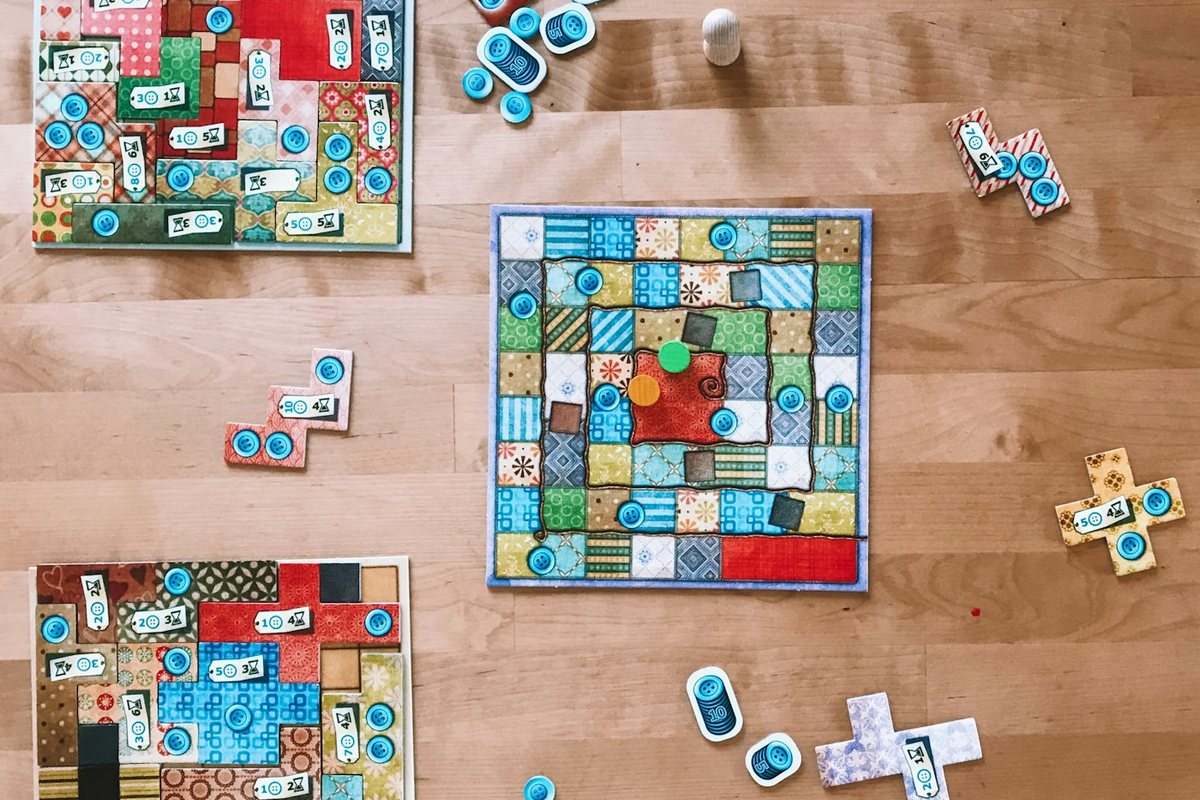
Her younger son said yes with the confidence of someone who had once used several of them to build a spaceship. They counted. It did not. They replaced the missing pieces with buttons and agreed on rules that would later be disputed by everyone.
They ate the picnic on the sitting-room floor. The sandwiches tasted exactly as they would have outdoors, a fact the children seemed to find miraculous. Kate put the blanket down because otherwise she would spend the meal thinking about crumbs. Her husband made tea and brought the flask anyway.
The game lasted much longer than intended. There was cheating, an accusation of cheating that turned out to be correct, and a negotiation about whether a button could occupy a square sideways. Nobody became a better person through play. They did, however, laugh until the younger child snorted water through his nose.
After lunch, the older child began drawing. Kate read a chapter of a book she had been moving from room to room for weeks. Her husband fell asleep with a hand resting on the empty sandwich plate. The rain continued without requiring a response from them.
Kate had been thinking about Sabbath lately, mostly as another thing she ought to do properly. Rest had become a task she researched between other tasks. This afternoon had no spiritual discipline about it, no admirable silence. Yet the family had stopped producing experiences long enough to inhabit one.
She did not decide that canceled plans were always blessings. Sometimes they were expensive and upsetting. The unused tickets still bothered her. But this particular afternoon no longer needed rescuing. It was allowed to be smaller than the day she had arranged.
At four, the rain eased. They walked around the block in boots. Water ran along the gutters, and the children tested every puddle with professional thoroughness. Kate didn't warn them about splashing until a wave reached her socks. There were limits to her new perspective.
Back home, they hung coats over the bath. The picnic blanket went into the wash. On Monday, the teacher asked the younger child what he had done at the weekend. He said they had a picnic indoors, played a game with buttons, and gone on a puddle walk.
He did not mention the canceled event. For him, the day had contained what happened, not what failed to happen. Kate read the note from school and put the game on a shelf where they could reach it.