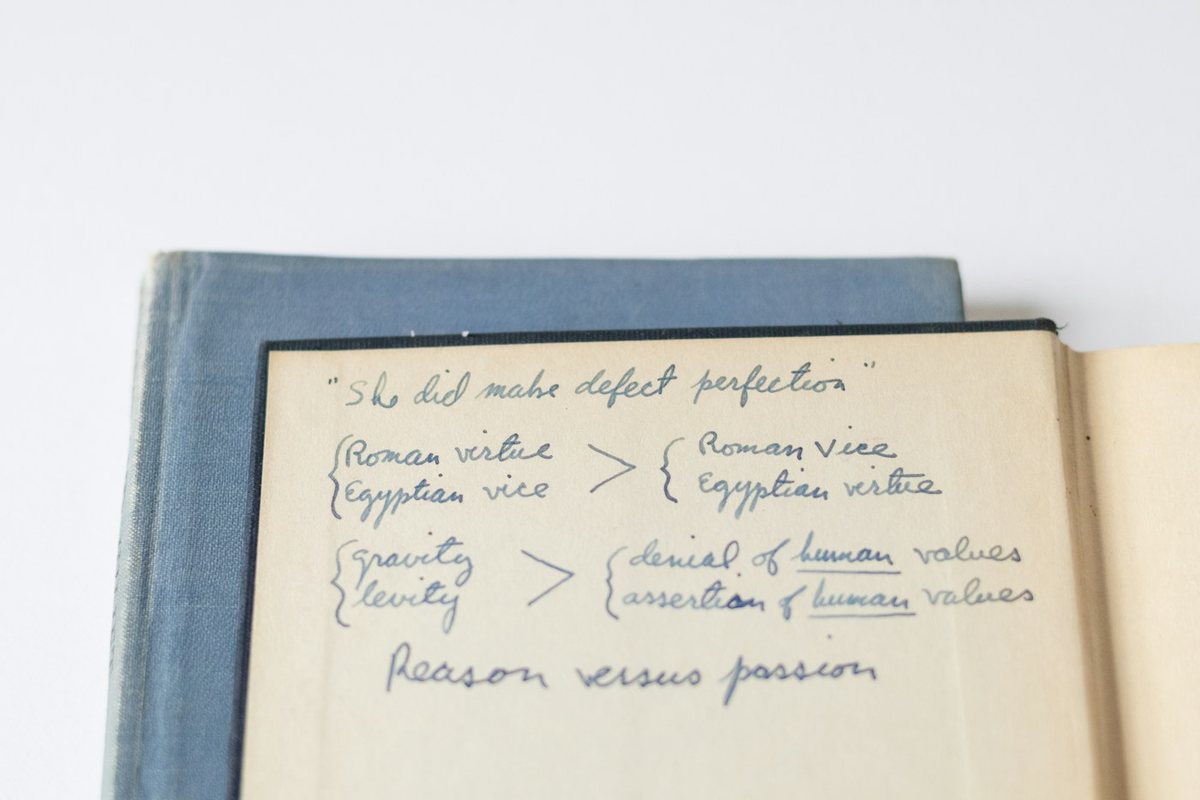
The book cost two pounds because its cover was creased and someone had written in it. Frances considered the annotations a reason to buy it. She liked evidence that a book had been more than an object arranged on a shelf.
It was a collection of essays, the sort she read slowly between bus journeys and waiting rooms. The previous owner used a soft pencil and had strong opinions. Nonsense appeared beside one paragraph. Beautiful beside another. Once, in the margin of a particularly confident claim, someone had written, Is it really that simple?
Frances liked this unknown reader immediately. Not because they agreed about everything—they didn't—but because the notes suggested a person paying attention rather than accepting a sentence merely because it was printed well.
She began reading the essays and the margins together. There were references to a sister, a holiday, a conversation with someone named M. She resisted constructing an entire life from the fragments. The owner might be alive, dead, moving house, or simply finished with the book. The uncertainty was part of its company.
One afternoon she found a pressed leaf between two pages. It was brittle and ordinary. She set it carefully on the table while reading the passage it had marked, an essay about noticing familiar places. In the margin were four words: Walk home the other way.
Frances had no pressing appointment, so she did. She left the café by a side street and followed a road she usually passed without entering. It led to a small garden behind a public building. There were two benches, a dry fountain, and a tree turning yellow at the edges. Nothing about it would have justified a special journey. That was part of why she was glad to find it.
She sat for ten minutes. Her life had been crowded lately with necessary things, all completed efficiently and barely remembered. The garden did not offer escape from them. It offered a place between them, a pause large enough to register the day she was having.
During evening prayer, she thanked God for the garden and for whoever had written the note. The specificity felt slightly odd. She was used to thanking God for family, health, and the larger structures holding her life. A pencil mark in a secondhand book seemed too small until she considered how much of an ordinary day was made of small things.
She finished the collection a month later. On some pages she added her own notes, using a darker pencil. She disagreed with the unknown reader twice and thanked them once, an exchange they would probably never see. The book had become a conversation without requiring either person to have the final word.
Before donating it back to the shop, she checked for anything private she had written. Then she tucked the leaf into an envelope so it would not crumble among the pages. Beside the note about walking home differently, she added, There may be a garden.
She did not know who would buy it next. Perhaps nobody would read the margins. Perhaps someone would be irritated by the handwriting and look for a clean copy. Frances left it on the donation counter anyway, grateful for the unplanned company it had given her and willing to let it belong to somebody else.