Megan arrived at the lake twenty minutes early. She chose the bench where she and Tessa used to eat chips after school, though it had been replaced and the trees around it had grown. She checked her phone, then put it away, then checked it again.
They had once spoken every day. Now their messages were mostly birthday wishes and apologies for delayed replies. Tessa had three children and a job with unpredictable hours. Megan lived alone and traveled for work. Each secretly believed the other no longer had room for her.
Tessa arrived breathless, carrying a bag with a toy dinosaur protruding from it. She apologized. Megan said it was fine in a voice that made it clear she had been practicing not minding.
They walked beside the water. The first fifteen minutes were an exchange of updates, efficient and unsatisfying. Then Tessa asked about a trip Megan had mentioned months earlier. Megan was surprised she remembered.
“I wanted to hear about it,” Tessa said. “I kept thinking I'd call when I had a proper hour.”
“I thought you weren't interested.”
Tessa stopped walking. “Really?”
Megan picked at the lid of her takeaway cup. She had not intended to say it so plainly. Now that she had, there seemed little point in pretending it was a joke.
They sat on a low wall. Tessa admitted that Megan's life sometimes sounded so full and exciting that she felt embarrassed to talk about school appointments and broken appliances. Megan admitted that she often returned from a trip to a silent flat and wished someone would ask whether she had got home.
Neither confession canceled the other's. They were not in a competition to prove which kind of life was lonelier. For once, they let the differences exist without turning them into a reason not to call.
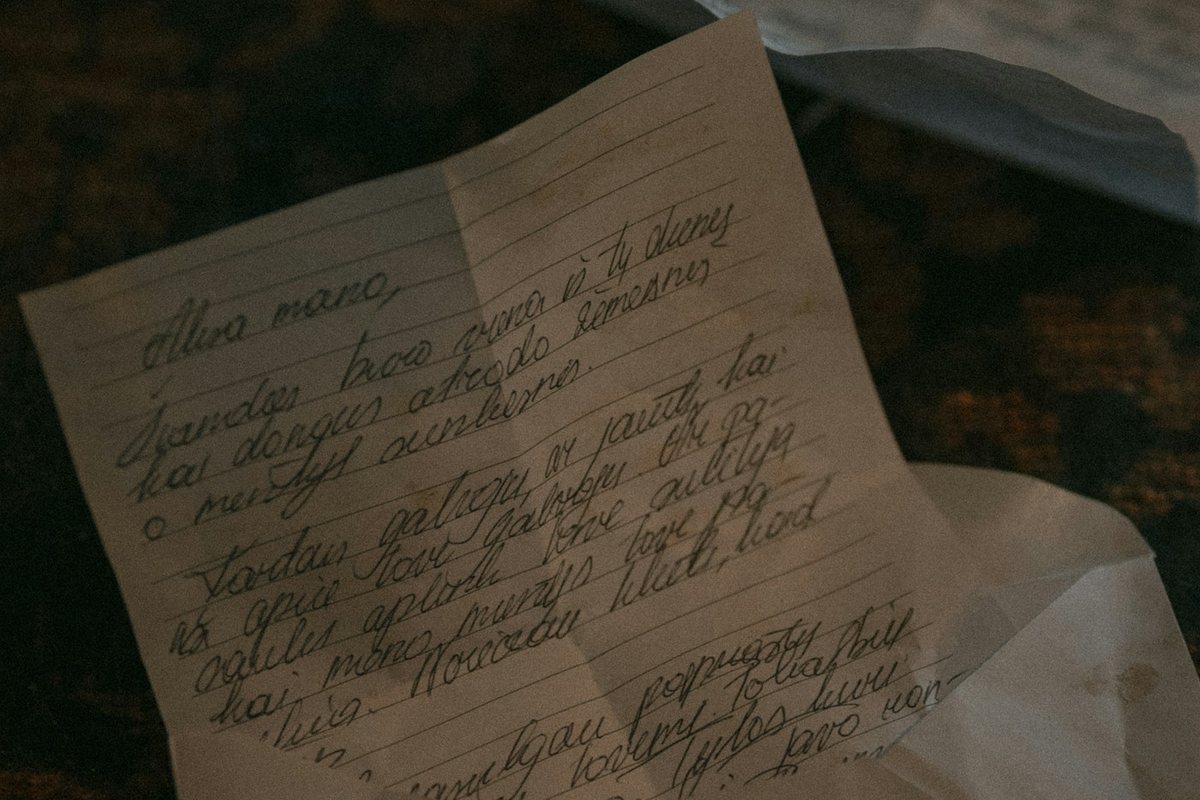
As girls, they had prayed together before exams and shared earnest plans about the people they hoped to become. Megan still had a note Tessa had written in the back of a Bible: Don't let me get too sensible. She mentioned it now. Tessa laughed so suddenly that a gull lifted from the railing.
“That ship has sailed,” she said, pulling the dinosaur from her bag.
They didn't promise to speak every day again. The promise would have belonged to lives they no longer had. Instead, they agreed that a ten-minute call counted. A voice message counted. An invitation could be refused without being interpreted as a verdict on twenty years of friendship.
On the way back, Tessa asked whether Megan wanted to come for dinner the following week. It would be noisy, she warned. Megan said she would. Then she asked if Tessa could come to her flat the month after, without the children if someone could stay with them. Tessa said she would try.
The lake was turning silver in the late light. They paused at the bench, which was not their old bench at all, except in the way a place can hold what people bring back to it. Megan took a photograph. Neither of them looked especially young, rested, or prepared for the camera.
She sent it that evening. Tessa replied with a heart and, several minutes later, Did you get home all right? Megan answered before she had a proper hour.