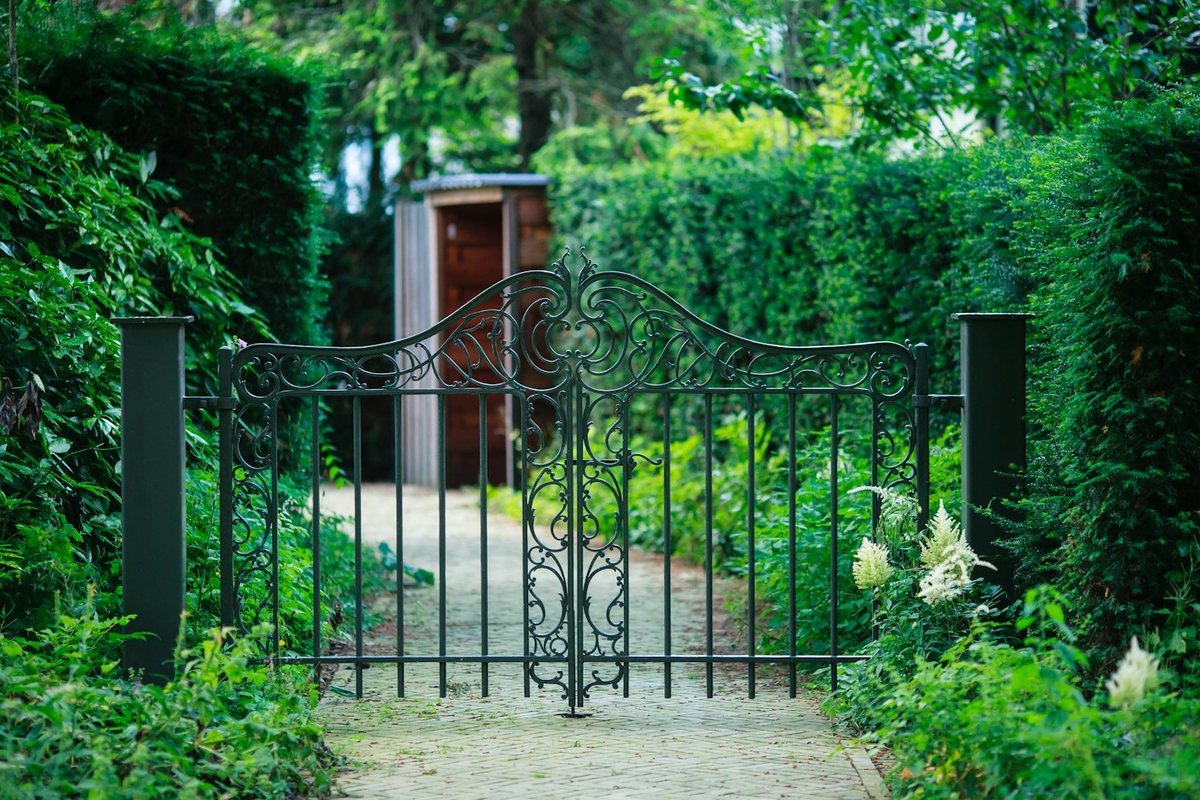
By November, the garden looked like something Grace had failed to maintain. Stems leaned over the path. Seed heads rattled against one another. The dahlias had collapsed after the first frost with an extravagance she found difficult to forgive.
She wanted to cut everything down. It had been a year of unfinished things: an application that went nowhere, a family argument still unresolved, months of work on a project her employer canceled without much explanation. A cleared garden would at least be evidence that she could finish something.
Her neighbor Ed watched her carry out the clippers. “Leave a few of those,” he said, pointing at the dry stems.
“They look awful.”
“The birds haven't complained.”
Grace looked more closely. A small bird landed on a seed head and clung to it while the stem swayed. She had seen the brown shapes as debris. The bird apparently saw lunch. This did not make the garden beautiful, but it complicated the proposed demolition.
She cut back the plants that needed it and left a patch near the wall. Then rain arrived, postponing the rest. From the kitchen she watched the untrimmed stems through the wet glass. They continued looking untidy. They also continued moving with small, busy visitors.
Grace disliked easy garden metaphors. People were always telling her that everything had a season, usually when they wanted her to stop being disappointed. Winter did not guarantee the future she hoped for. Some plants did not come back. Some work was lost. She knew enough about gardening to know that optimism was not a substitute for care.
Still, there was a difference between something being finished and something being quiet. She had been treating her own life as though visible productivity were the only evidence of value. Rest felt suspicious. Waiting felt like a verdict. A bare patch of soil had become more accusation than ground.
One Saturday she went out without tools. She checked the pots, moved one away from a puddle, and sat on the damp bench with a folded newspaper beneath her. The garden asked very little of her that day. She found this harder to accept than a long list of jobs.
She remembered a passage about seeds growing while the farmer slept and rose, without fully understanding how. She had usually focused on the harvest. Now she was interested in the sleeping. There was work to do, and there were processes she could neither accelerate nor supervise into existence.
By February, small green shoots appeared near the wall. Not everywhere. One expensive plant had definitely died. Grace dug it out, grieved the money, and planted something less ambitious. The surviving stems needed cutting now, and she did the work without turning it into a conclusion about the whole year.
Her canceled project remained canceled. The family conversation still needed courage. But she had begun working on a smaller idea, slowly, without announcing it to anyone. On some evenings she did nothing more productive than cook and read.
When Ed leaned over the fence in March, she showed him the new shoots. He admired them, then asked to borrow a bucket. Grace handed it over. Behind him, the dry stems she had finally cut lay in a loose pile, their winter work complete.