Arthur labeled the tins before anyone arrived: SCREWS, WASHERS, NUTS, UNKNOWN. The last category troubled him. He had spent forty years as an engineer and disliked admitting that an object might have no immediately identifiable purpose. Still, the church repair morning needed somewhere to put the things people brought in their pockets.
He had expected to fix lamps, tighten chair legs, and perhaps rescue a toaster. By ten fifteen, he was explaining for the third time that they could not repair a gas appliance in a church hall. At ten thirty, a young woman arrived carrying a wooden stool and a sleeping child.
One leg had split. Arthur examined it and said a new stool would probably cost less than a proper repair. The woman adjusted the child against her shoulder.
“Could you look anyway?”
He heard himself begin another explanation about cost. Across the table, June gave him a look over her glasses. Arthur stopped talking and fetched a clamp.
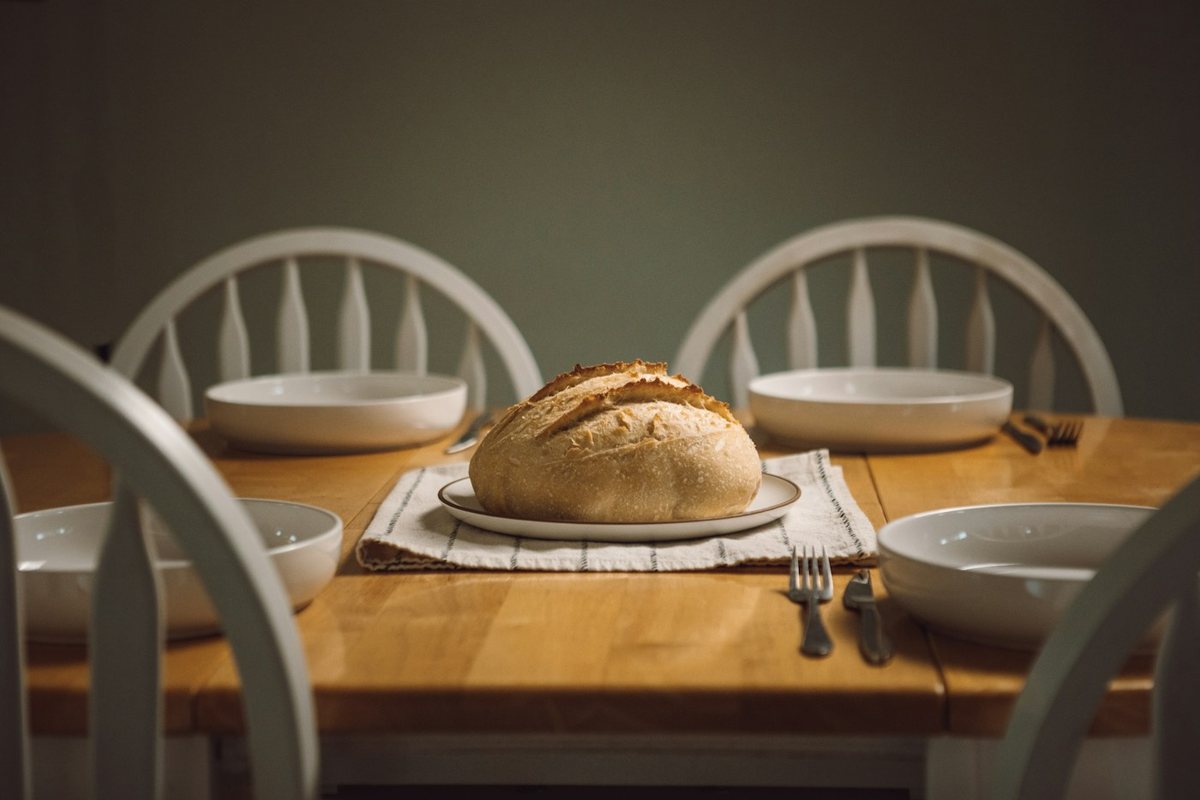
The stool had belonged to the woman's grandfather. He had made it so she could reach his workbench when she was small. Her daughter used it now. Arthur looked more closely. The joinery was modest but sound. Someone had sanded the edges with particular care.
“What was his name?” Arthur asked.
“Frank.”
He turned the stool over. Underneath, in faded pencil, were the initials F.W. The repair was possible. It would take glue, a concealed dowel, and more time than the morning allowed. He told her to leave it and come back the following week.
At home, his wife found him in the shed after supper. “I thought you were volunteering for two hours,” she said.
“Apparently I was mistaken.”
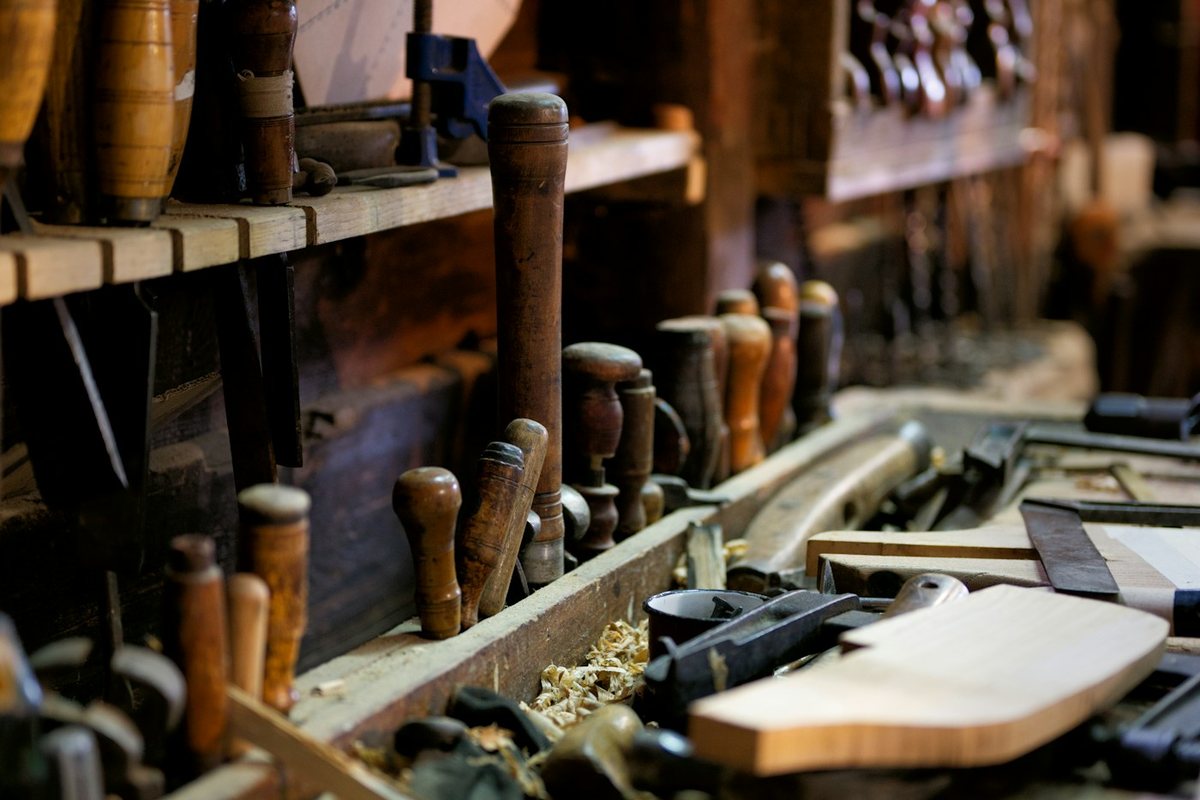
She brought him tea. He worked slowly, aligning the broken grain. His first instinct had been efficient and unhelpful. He could not have known the stool's history, but he could have asked before deciding what mattered.
Retirement had made Arthur anxious to remain useful. He volunteered for jobs with clear outcomes and preferred people who appreciated a brisk solution. He was less comfortable when someone needed company while deciding what to do. Listening felt like standing around, although he was beginning to suspect it required a skill he had neglected.
The woman returned with her daughter awake. The child put one foot on the stool, then looked to her mother for permission. Arthur held it steady while she climbed. From the top, she could see into the tin marked UNKNOWN.
“What's that?” she asked.
“A very good question,” Arthur said.
Her mother offered money. The repair morning took voluntary donations toward supplies, but Arthur made clear that none was required. She put a few coins in the collection tin and thanked him. After they left, he noticed a new penny beside an old button. The child had apparently contributed as well.
On Sunday, a reading described the church as a body made of different parts. Arthur had always liked the useful parts of that image: hands, feet, people getting things done. This time he thought about ears. There was no shortage of things to repair. The difficulty was hearing what someone was asking to have mended.
At the next repair morning, he added a chair on the visitors' side of the table. Then he opened the tin of unknown things and waited for the first person to arrive.