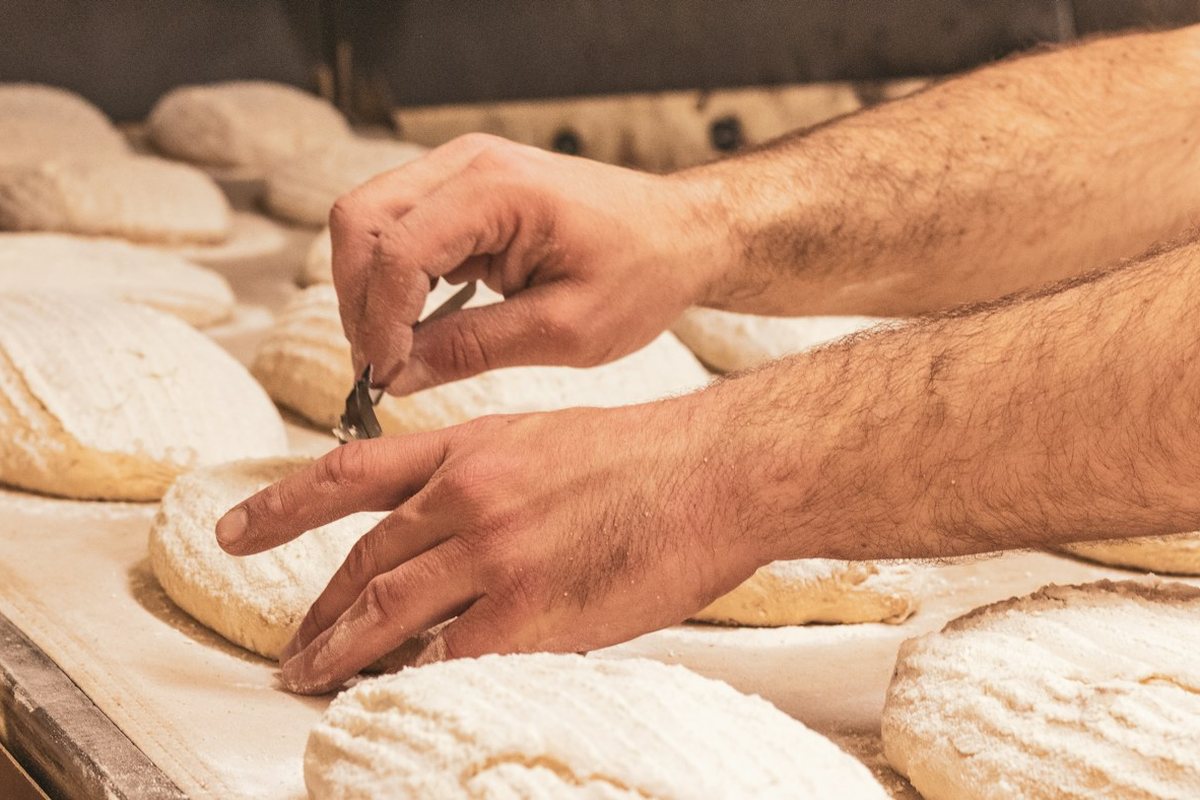
Nina arranged the loaves three times before the market opened. The first arrangement looked sparse. The second looked crowded. The third was almost identical to the first, but by then she had run out of useful ways to move bread.
She had baked for friends for years. Selling was different. A price tag turned something generous into a proposition that could be declined. She had calculated her costs, checked the local requirements, booked the stall, and slept for four hours because the oven schedule began before dawn. Now she wanted to hide behind the folding table.
The first customer asked whether the bread was sourdough. Nina said yes, then explained that she was new and still working things out. The customer nodded and moved on. Beside her, a woman selling jam watched with interest.
“Is there something wrong with it?” the woman asked.
“No.”
“Then you don't need to warn people away.”
Her name was Val. She had been selling jam for nine years and still occasionally came home with more jars than she wanted. She didn't offer a promise of success. She offered change for a twenty-pound note and advice about keeping the price sign visible.
At ten fifteen, a man bought a loaf. Nina nearly gave him a discount for being first. She stopped herself and charged the amount she had worked out. He paid without looking offended. The exchange was so ordinary that she felt a little foolish for having feared it.
By noon, she had sold half the bread. Rain arrived, turning the market into a collection of people protecting things from weather. Nina helped Val move a crate under cover. Val held Nina's tablecloth down while she secured the corners. The practical cooperation made the morning feel less like a public examination.
One customer said the crust looked too dark. Another said it was exactly how bread should look. Nina realized she could not make one loaf satisfy every preference. She could make it carefully, describe it honestly, and let people choose.
Her faith had been part of deciding to try. She had prayed for wisdom, listened to advice, and kept her weekday job while testing the idea. She was learning to separate trust from the demand that a first attempt must be rewarded. A slow market was information, not a divine verdict. A good one would be encouraging, not proof that she could ignore the numbers.
At closing, she counted the money and the remaining loaves. There was work to do before the stall would be consistently worthwhile. She wrote down what had sold and what people had asked for. Then she traded a loaf for a jar of Val's marmalade.
At home, Nina made toast from one of the unsold loaves. Her husband asked whether she would go back. She took a bite before answering. The crust crackled, the center was good, and the marmalade tasted of actual oranges.
“Yes,” she said. “With a better sign.”
The next Saturday, she arranged the bread once. When the first customer approached, she said good morning and told him what she had made. She let the loaves stand on the table without an apology beside them.