His father began the story at the same bend in the path. There had been a bicycle, a steep hill, and a dog that did not respect the division between pavement and road. Peter knew the ending. He knew the name of the friend who had laughed, the color of the bicycle, and the exact phrase his grandfather had used afterward.
He nodded at the appropriate moments while thinking about the messages waiting on his phone. They walked this route every other Saturday. Peter considered it time well spent, though he often spent the time wishing they would reach the café.
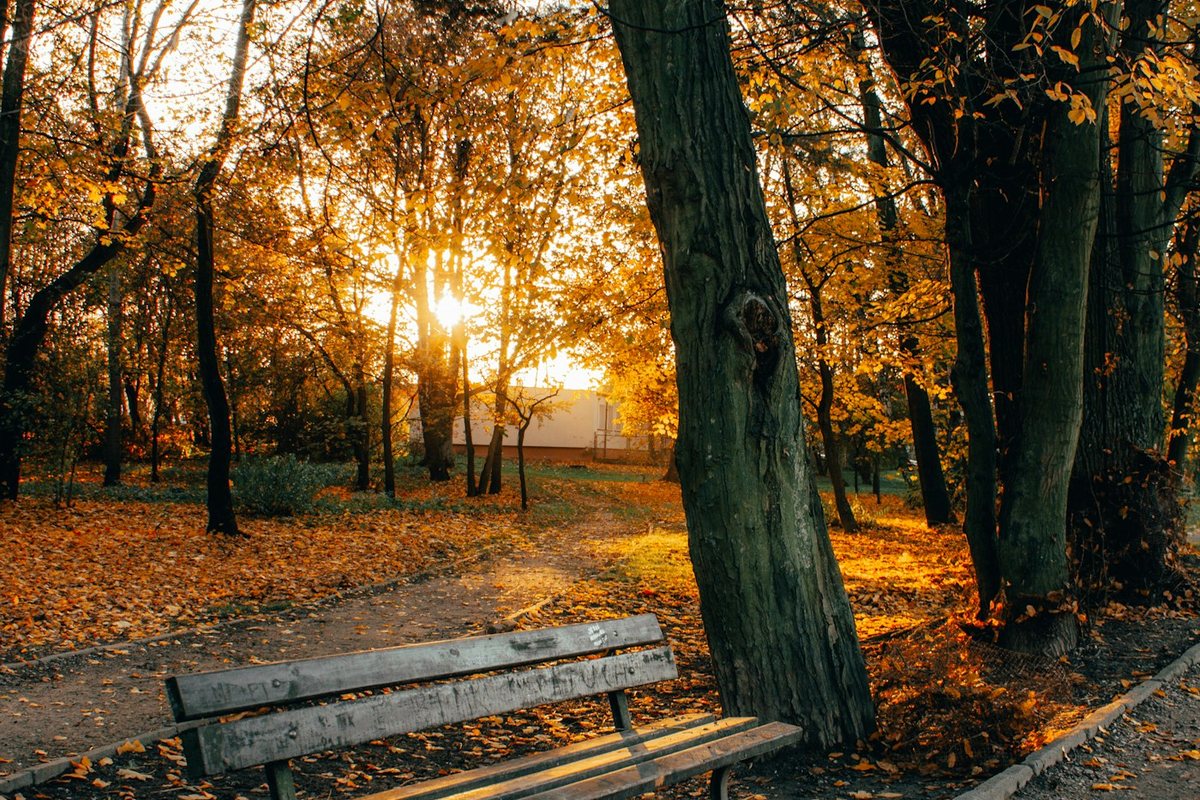
That morning, his father stopped beside a bench and added a detail Peter hadn't heard before. After the accident, a woman from the nearby church had carried the damaged bicycle home because his grandfather was away at work.
“Mrs. Keene,” his father said. “She had a terrible hat.”
Peter laughed. “You've never mentioned her.”
“Haven't I?” His father looked genuinely surprised. “She was important.”
They sat down. Peter asked why. The familiar story opened into another one: his grandmother's long illness, neighbors bringing meals, his father as a boy learning which adults could be trusted to stay calm. The bicycle accident had lived in family legend as comedy. Underneath it was a child's memory of being looked after when home felt uncertain.
Peter put his phone in his coat pocket, farther from his hand. He asked what Mrs. Keene had said. His father remembered that she had told him to hold the front wheel while she carried the frame. They had brought the broken thing home together.
“She didn't fuss,” he said. “I liked that.”
On the way to the café, Peter wondered how many stories he had stopped hearing because he knew the plot. His father had a limited supply of new events now. Retirement had narrowed the week, and several old friends had died. Repeating a story might be less about forgetting it had been told than about returning to a place where people were still alive.
Peter didn't want to turn every walk into an interview. His father would have hated that. But the next time they met, he asked about a name that usually passed without explanation. A schoolteacher. A neighbor. The man who taught him to drive. Sometimes the answer was brief. Sometimes they reached the café an hour late.
One Sunday, Peter heard the word remembrance during communion and thought about how much faith was carried through repeated words and stories. Repetition did not always mean there was nothing new. Sometimes the listener had changed enough to hear another part.
He asked whether he could record a few of his father's memories for the grandchildren. His father agreed, then became formal and unrecognizable whenever the phone was set on the table. They gave up after ten minutes and talked normally. Later, with permission, Peter recorded an easy conversation during another walk. The wind spoiled half of it. The laugh was clear.
At the bend in the path, his father began the bicycle story again. Peter smiled. When Mrs. Keene appeared, he asked about the hat.
“Flowers,” his father said. “Too many of them.”
This time Peter could see her: an inconvenient hat, a broken bicycle, a boy with a scraped knee. He let his father carry the story all the way home.