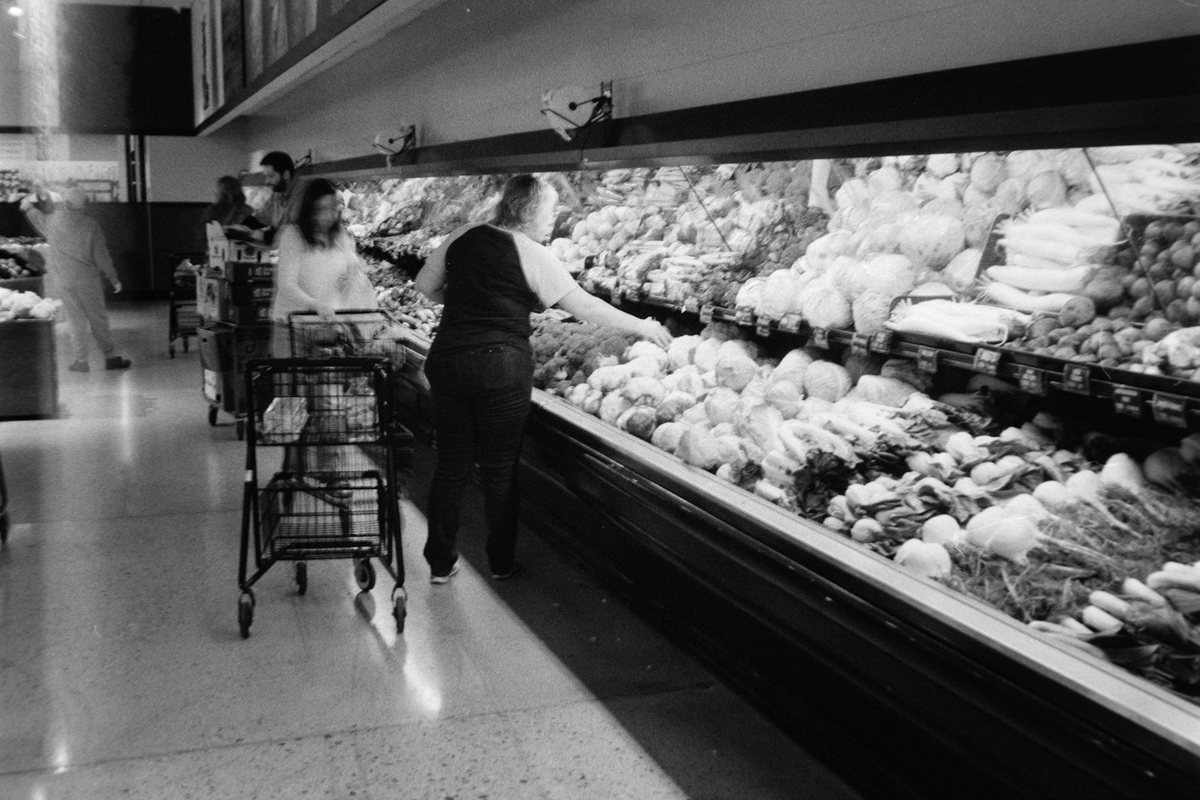
Beth was in the express line with eleven items, which she was counting as ten because the two lemons were in one bag. In front of her, a father was asking the cashier to remove a box of cereal. His little boy watched the display without speaking.
Beth reached for her wallet. She had seen this situation before, usually in stories where a stranger stepped forward and made everyone's day better. She could afford the cereal. She was already preparing a warm sentence when the father turned.
“I've got it,” he said.
She hadn't spoken, but apparently her face had. She put the wallet back and felt herself blush. The cashier removed the cereal. The man paid, took the bag, and left with his son. Beth finished her shopping in a silence she found unreasonably embarrassing.
In the car, she told herself he had misunderstood. She had only wanted to help. The longer she repeated this, the more she heard a second wish beneath it: she had wanted him to appreciate her helping.
The following Saturday she volunteered at the community pantry. Usually she packed bags in the back, a job she enjoyed because tins behaved predictably. That morning, the coordinator asked her to help at the welcome table. Families selected what they needed from shelves arranged like a small shop.
“Why don't we prepack more?” Beth asked. “It would be quicker.”
“Sometimes,” the coordinator said. “But people know what their children will eat. And choosing matters.”
The father from the supermarket arrived just before closing. Beth recognized him immediately and tried not to show it. He asked where they kept the lentils. She pointed, then offered to show him. This time she waited for his answer.
As they walked, he explained that his son liked lentil soup if the carrots were cut very small. Beth said her own daughter used to inspect every spoonful for onions. It was a conversation between two people who had fed children, a subject on which neither needed to be the hero.
He chose a few things and checked the posted limits. Before leaving, he asked when the next delivery arrived. Beth told him. She didn't mention the supermarket, and neither did he.
That evening she thought about Jesus asking people what they wanted, even when their need seemed obvious. She had often skipped past those questions on her way to the miracle. Now she wondered whether being asked was part of the kindness.
She continued to give. She also became slower about deciding what another person required. Sometimes she offered money. Sometimes she carried a bag. Sometimes she accepted a no without translating it into ingratitude. None of this made for a particularly stirring account at the church coffee hour, which was probably healthy.
A few months later, the father brought two bags of groceries to the pantry. His hours at work had increased, he explained. Beth thanked him and asked where he would like to help unload. He chose the shelves near the back.
Among the donations was the cereal she remembered. She put it where a child could see it. Then she returned to the welcome table, where someone was waiting to ask a question.